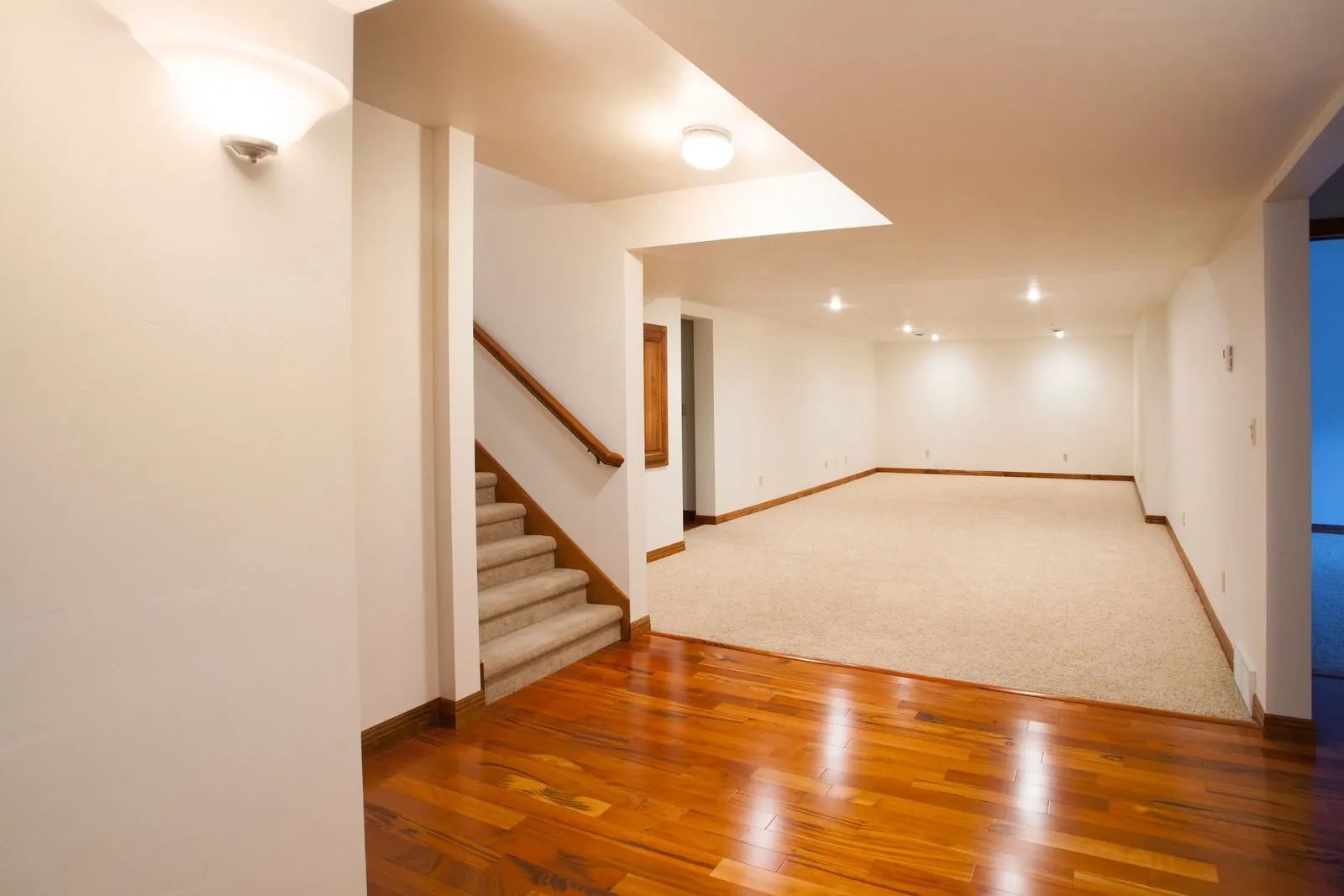
Basement remodeling has become one of the most practical ways for homeowners to increase living space, improve property value, and make better use of underutilized square footage. Instead of allowing the basement to remain a storage area filled with unused items and outdated systems, many property owners now transform these spaces into functional living environments such as home offices, entertainment rooms, guest suites, gyms, or rental units. A well-planned basement renovation can dramatically improve comfort and functionality while creating additional space without the cost of building a home addition. As housing needs continue to evolve, basement remodeling remains an attractive investment for families seeking flexibility and long-term usability within their existing property.
Before starting a basement remodeling project, homeowners must understand the unique challenges that come with below-grade construction. Moisture control, ventilation, insulation, structural limitations, lighting, and local building regulations all play important roles in determining the success of the renovation. Poor planning often leads to expensive repairs, unhealthy indoor conditions, or unfinished projects that fail to meet expectations. Understanding what to evaluate before construction begins helps homeowners avoid unnecessary setbacks while making informed decisions about layout, materials, and budget planning. Careful preparation allows basement remodeling projects to deliver lasting value, improved functionality, and a finished space that feels comfortable, attractive, and fully integrated with the rest of the home.
Understanding the Purpose of Your Basement Remodel
Defining How the Space Will Be Used
One of the first steps in basement remodeling involves identifying exactly how the space will function after construction is complete. Many homeowners begin renovations without a clear long-term plan, which often results in poor layouts, inadequate electrical systems, or wasted square footage. Determining the purpose of the basement early allows the entire project to move in a more organized direction.
Some homeowners transform basements into family recreation areas with televisions, gaming spaces, and comfortable seating. Others prioritize practical additions such as guest bedrooms, home offices, workout rooms, or private living quarters for extended family members. Each purpose requires different design considerations involving lighting, plumbing access, storage solutions, insulation, and ventilation.
Evaluating Long-Term Household Needs
Basement remodeling should also support future household needs instead of only addressing immediate goals. Families often outgrow spaces faster than expected, especially when children, work arrangements, or lifestyle priorities change over time. A flexible basement design allows the area to evolve alongside changing circumstances.
For instance, a playroom for young children may later become a study area or entertainment room for teenagers. A workout space may eventually convert into a guest suite or office. Designing with adaptability in mind increases long-term value while reducing the likelihood of additional remodeling expenses in the future.
Assessing Structural and Moisture Conditions Before Remodeling
Identifying Water Problems Early
Moisture remains one of the most important concerns in basement remodeling projects. Many basements experience hidden water intrusion caused by foundation cracks, poor drainage, plumbing leaks, or high humidity levels. Ignoring these issues before finishing walls and flooring can lead to mold growth, material damage, and unhealthy indoor air conditions.
Homeowners should inspect for warning signs such as musty odors, damp walls, peeling paint, water stains, or condensation around windows and pipes. Even small amounts of moisture can create major problems after construction is completed.
Addressing drainage concerns may involve repairing gutters, extending downspouts, improving grading around the foundation, or installing sump pumps and waterproofing systems. Interior moisture solutions may also include vapor barriers, dehumidifiers, and specialized insulation materials designed for basement environments.
Checking Foundation and Structural Integrity
Structural evaluation is another essential part of basement preparation. Cracks in foundation walls, uneven flooring, sagging beams, or shifting support columns can indicate deeper structural problems that require professional attention before remodeling begins.
Finishing a basement without resolving structural concerns increases safety risks and may violate local building requirements. Heavy materials such as drywall, flooring systems, and ceiling installations add weight to the structure, making it critical to confirm that the basement can support the planned renovation.
Professional inspections help identify hidden concerns involving load-bearing walls, floor joists, ceiling height limitations, and utility placements. Addressing these issues before construction creates a safer and more reliable finished space.
Planning Layout, Lighting, and Functional Design
Creating an Efficient Basement Layout
Basement layouts require careful planning because below-grade spaces often contain obstacles such as support posts, ductwork, plumbing lines, water heaters, and electrical panels. Instead of treating these features as problems, experienced remodeling plans integrate them into the overall design.
Support columns may become decorative features within entertainment spaces or room dividers between functional zones. Utility rooms can remain accessible while being visually separated from finished areas through thoughtful framing and storage solutions.
Open-concept layouts are popular because they improve traffic flow and maximize limited natural light. However, segmented spaces may work better for households requiring privacy or multiple functions within the basement. Defining activity zones helps improve organization while maintaining comfort and usability.
Improving Basement Lighting Conditions
Lighting significantly impacts how comfortable and welcoming a basement feels after remodeling. Many unfinished basements suffer from dark environments due to limited window access and low ceiling heights. Poor lighting can make even renovated spaces feel cramped and uninviting.
A layered lighting approach often produces the best results. Recessed ceiling lights provide general illumination without reducing ceiling clearance. Accent lighting highlights design features, while task lighting improves functionality in workspaces, kitchens, or reading areas.
Whenever possible, natural light should also become part of the design strategy. Enlarging windows, installing egress windows, or using glass partitions can help distribute available daylight more evenly throughout the basement.
Budgeting and Choosing the Right Remodeling Materials
Establishing a Realistic Basement Remodeling Budget
Budget planning helps homeowners avoid financial strain and unexpected project delays. Basement remodeling costs vary depending on square footage, structural repairs, plumbing additions, material selections, and design complexity.
One common mistake involves underestimating hidden expenses. Moisture mitigation, electrical upgrades, insulation improvements, or code compliance corrections often increase costs beyond initial expectations. Setting aside contingency funds helps manage unexpected issues discovered during construction.
Homeowners should prioritize investments that provide long-term durability and functionality instead of focusing solely on cosmetic upgrades. Spending more on waterproofing, insulation, or quality flooring often prevents future repair expenses and improves overall project value.
Clear communication between homeowners and contractors also reduces budgeting problems by minimizing misunderstandings regarding labor, timelines, and material expectations.
Selecting Durable Basement Materials
Basements experience different environmental conditions than upper floors, making material selection especially important. Moisture-resistant materials generally perform better in below-grade spaces because they reduce the risk of warping, mold growth, and long-term deterioration.
Vinyl plank flooring, tile, and engineered flooring products are popular basement choices due to their durability and resistance to moisture exposure. Traditional hardwood flooring may not perform as well in humid basement environments.
Wall systems should also include moisture-resistant drywall and insulation products designed specifically for basements. Proper insulation improves energy efficiency while helping regulate indoor temperatures throughout the year.
Homeowners should also consider maintenance requirements when choosing finishes. Durable, low-maintenance materials often provide better long-term performance for active household spaces.
Choosing the Right Contractor for Your Basement Project
Evaluating Experience and Communication
The success of a basement remodeling project often depends on the contractor handling the work. Basement renovations involve complex coordination between structural work, electrical systems, plumbing, framing, insulation, and finishing details. Hiring experienced professionals helps reduce delays, construction mistakes, and code violations.
Homeowners should review contractor portfolios, licensing information, references, and project timelines before making hiring decisions. Transparent communication is equally important because remodeling projects require ongoing discussions regarding changes, budgets, and scheduling.
Detailed contracts outlining responsibilities, material specifications, payment schedules, and timelines create better project organization while protecting both parties throughout construction.
Understanding the Value of Professional Workmanship
Professional basement remodeling delivers advantages that extend beyond appearance alone. Skilled workmanship improves safety, structural reliability, energy efficiency, and long-term durability. Properly installed materials last longer and require fewer repairs over time.
For example, professionally installed insulation and moisture barriers help maintain indoor comfort while protecting finished surfaces from damage. Accurate framing and leveling improve the final appearance of flooring, walls, and ceilings.
Experienced remodeling professionals also understand how to identify hidden issues before they become major problems. This proactive approach often saves homeowners significant repair costs later.
Experienced Basement Remodeling Contractors Creating Functional Spaces
Basement remodeling offers homeowners an opportunity to transform unused square footage into valuable, comfortable, and highly functional living space. Successful projects require more than attractive finishes because moisture control, structural integrity, layout planning, code compliance, and durable materials all contribute to long-term performance. Careful preparation helps homeowners avoid common renovation mistakes while creating spaces that support changing household needs for years ahead. From lighting and insulation to budgeting and contractor selection, every decision plays a role in the final outcome of the remodel.
At Dunn Construction, LLC
in Lexington, Kentucky, we bring 12
years of hands-on construction and remodeling experience to every basement renovation project. Our approach focuses on quality craftsmanship, detailed planning, and practical design solutions that improve both functionality and property value. We understand the unique structural and environmental challenges involved in basement remodeling and work closely with homeowners to create finished spaces that feel comfortable, durable, and fully integrated with the rest of the home. Whether the goal involves building a family entertainment area, home office, guest suite, or expanded living space, we provide dependable guidance and professional construction services throughout every stage of the project. Our commitment to reliable workmanship and customer satisfaction continues to help homeowners create basement spaces that support long-term comfort, usability, and investment value.